Is Ledger Safe in 2026? Full Security Analysis
If you’re asking whether Ledger is safe in 2026, you are asking the right question. Security concerns are still one of the main reasons buyers hesitate before choosing a hardware wallet. This guide explains how Ledger security actually works, what risks matter most in practice, and whether Ledger is still a safe option for long-term crypto storage.
Quick Answer
Yes, Ledger is still one of the safest consumer hardware wallet options in 2026 when used correctly. The biggest risks are usually not remote hardware compromise, but phishing, fake apps, unsafe purchase sources, and poor recovery phrase handling. Ledger devices can be very secure, but user behavior still determines the final outcome.
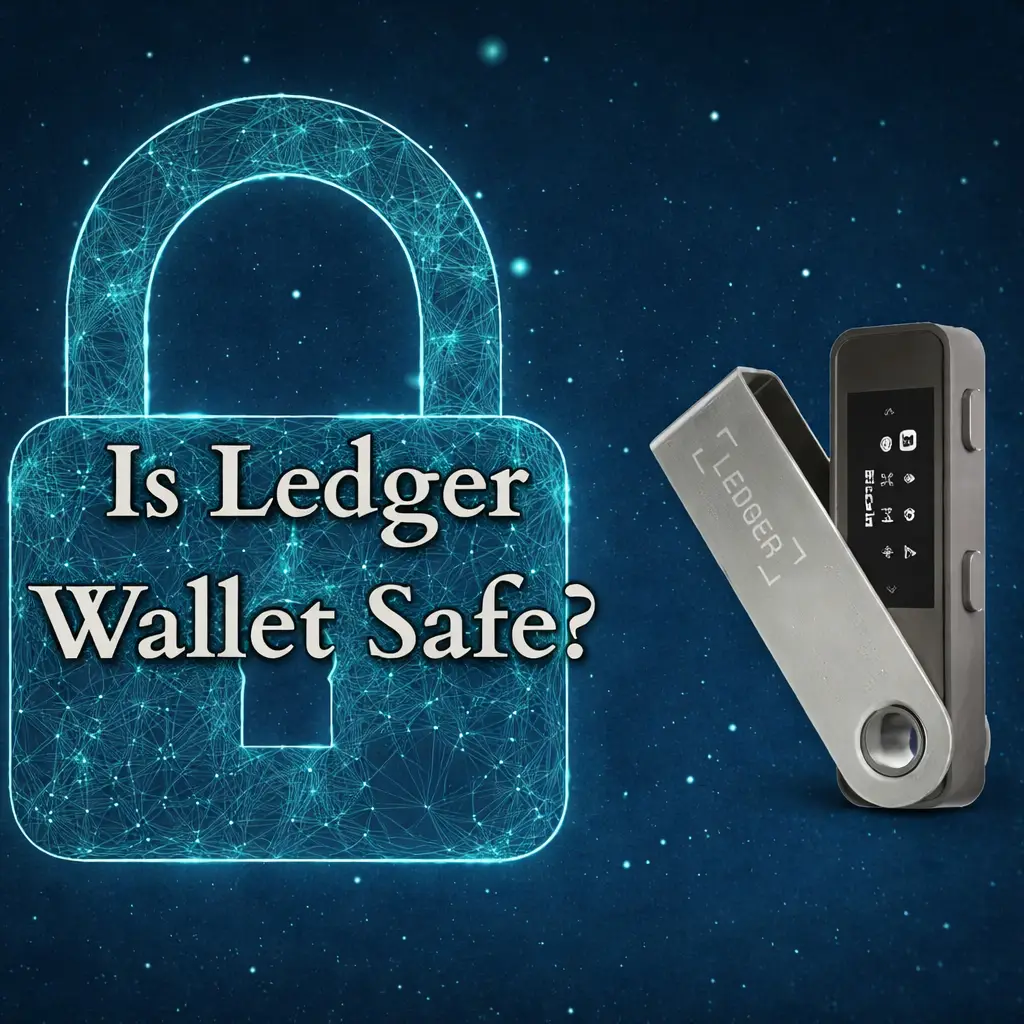
Why Ledger Can Be Safe
- Private keys stay isolated from the computer
- Transactions require on-device approval
- Hardware wallet design is much safer than exchange custody for many users
- Device checks and setup flow are designed to reduce common compromise paths
What Still Creates Risk
- Phishing and fake support scams
- Recovery phrase mistakes
- Unsafe buying sources and tampered-device concerns
- Approving the wrong transaction too quickly
Ledger Safety Is About More Than the Device Itself
Most people asking “is Ledger safe?” are really asking two different questions at once.
The first question is about hardware security: can Ledger protect private keys from malware, remote compromise, and ordinary online threats better than a software wallet or exchange account?
In that sense, the answer is usually yes. Ledger devices are built to keep private keys offline and require physical confirmation for transactions.
The second question is about real-world user risk: can someone still lose crypto while using Ledger? That answer is also yes, because user mistakes, scam websites, fake apps, and bad recovery phrase habits remain major threats.
So the right conclusion is not “Ledger is perfectly safe.” It is “Ledger can be very safe when bought, set up, and used correctly.”
How Ledger Security Actually Works
To understand whether Ledger is safe, you first need to understand what the device is designed to do.
Private Keys Stay Offline
Ledger’s security model starts with keeping private keys offline inside a Secure Element chip instead of leaving them exposed on a computer or phone. That hardware boundary is a big reason Ledger is safer than many software-wallet workflows.
Physical Approval Matters
Transactions must be approved on the device itself. That means a connected computer or phone does not get to move funds by itself. You still need to review what you approve, but the final signing step happens on the hardware wallet.
Hardware Isolation Is the Main Benefit
Ledger combines Secure Element storage, app isolation, and device checks that help confirm the wallet is genuine. In simple terms, the security value is not just “cold storage.” It is isolation, authenticity, and on-device confirmation working together.
Ledger Safety at a Glance
This is a simplified way to understand where Ledger is strong and where user responsibility still matters.
| Security Topic | Ledger Position | Main Risk | Why It Matters |
|---|---|---|---|
| Remote Key Theft | Very unlikely under normal use | Phishing and fake approvals | The device protects keys, but users can still approve bad transactions if they are tricked. |
| Computer Malware | Hardware design reduces exposure | Blind signing without verification | Ledger helps against malware, but users still need to verify what they approve. |
| Buying Risk | Safe if bought from trusted sources | Tampered or suspicious sellers | Purchase source matters because supply-chain trust is part of wallet safety. |
| Recovery Phrase Safety | Strong if stored offline and privately | User error and exposure | The recovery phrase is often the real single point of failure for the user. |
| Long-Term Self-Custody | Generally strong | Poor backup discipline | Hardware wallets improve control, but only if the user takes self-custody seriously. |
What Ledger Does Not Protect You From
A hardware wallet is a strong security tool, but it is not a magic shield.
It Cannot Stop You from Entering a Seed Phrase into a Scam Site
If you type your recovery phrase into a fake page, the device does not save you. At that point, the attacker can restore the wallet elsewhere without touching your hardware.
It Cannot Fix Bad Buying Decisions
Buying from the wrong source creates avoidable risk. Hardware wallet safety begins before you even open the box.
It Cannot Replace Careful Review
Ledger helps you verify actions on-device, but it still depends on you slowing down, reading the screen, and approving only what you fully understand.
Where Most Ledger Users Actually Lose Crypto
The biggest risks in 2026 are usually not dramatic hardware failures.
Phishing Websites
Many so-called “Ledger hacks” are actually scam sites or fake support pages that trick users into entering recovery phrases or approving bad transactions.
Fake Apps and Fake Support
Installing wallet software from the wrong source or trusting fake help channels can create much more danger than the hardware itself.
Recovery Phrase Mistakes
For most users, the recovery phrase is the real single point of failure. If someone gets those 24 words, they can restore the wallet without touching the device. That is why the safest rule is simple: never type the recovery phrase into a website, never store it in cloud notes, never screenshot it, and never share it with anyone claiming to be support.
If your real question is more specific than “is Ledger safe?”, go one level deeper: read Can Ledger Be Hacked? for remote-risk confusion, Is Ledger Safe If Your Computer Has Malware? for host-device risk, and Is Ledger Safe for Long-Term Crypto Storage? if your main goal is years-long cold storage rather than daily use.
Ledger Safety Starts Before Setup, Not After
A large part of Ledger safety is decided before the first app install, first PIN entry, or first transfer.
Should You Buy Ledger From Amazon or Only From the Official Store?
This is the cleanest next read if your safety concern starts with the seller path, marketplace trust, and whether convenience is worth extra uncertainty.
Can a Ledger Come Preconfigured? Red Flags to Watch For
A safe hardware wallet should start under your control. If the device looks ready to use, already set up, or paired with a pre-written phrase, stop here first.
What to Check When Your Ledger Arrives Before Setup
This is the arrival-stage checklist that matters more than packaging alone. It helps buyers slow down before they trust the device with meaningful funds.
How to Tell If a Ledger Wallet Is Genuine Before Setup
Visual inspection is not enough. The safer judgment comes from source quality, clean initialization, and verification done the right way.
A Better First-Setup Safety Standard
- Choose a buying path you can explain clearly later
- Initialize the device yourself from scratch
- Never trust a recovery phrase already written in the box
- Use the official software path only
- Verify the device before treating it as safe for meaningful funds
What About the 2020 Ledger Data Leak?
The 2020 incident involved customer data, such as contact details. It did not mean that Ledger hardware wallets themselves were broken or that private keys were extracted from devices.
This distinction matters. It was a serious trust and privacy issue, but not the same thing as a hardware wallet compromise.
The biggest danger after that incident was phishing. Attackers used customer data to send fake emails and support messages pretending to be Ledger.
That is why users should think about security in two layers: device safety and user-targeted scam safety.
If this is the part you care about most, continue to Is Ledger Still Safe After the Data Leak?. That page is better for readers trying to separate privacy damage, phishing risk, and actual device compromise.
The Recovery Phrase Is the Real Security Boundary
Many Ledger safety questions become much easier once you understand what the recovery phrase changes.
What an Attacker Can and Cannot Do Without the Phrase
A lost device, a stolen device, and an exposed recovery phrase are not the same situation. The phrase is what determines whether the wallet can be restored elsewhere.
Read What Can and Cannot Be Stolen Without Your Recovery Phrase if your safety question is really about device loss, theft, or the difference between hardware access and wallet access.
Where Recovery Safety Usually Breaks
Most long-term losses are backup failures, not hardware failures. The phrase becomes dangerous when it is photographed, typed into a fake page, saved in cloud-backed notes, or stored where other people can casually access it.
For the storage side, go to Where Should You Store a Ledger Recovery Phrase Safely?. For avoidable errors, read Ledger Recovery Phrase Mistakes That Can Cost You Access.
Can You Recover a Ledger Without the Original Device?
Use this when the device is gone, damaged, or unavailable and you need to understand whether recovery is still possible.
Forgot Ledger PIN? What to Do Next Without Making It Worse
This is the right next step if access is blocked by the PIN and you need a calm recovery decision path instead of random guessing.
How to Reset a Ledger Device Safely and What Happens Next
Reset is not just a device action. It is a recovery decision. Read this before using reset as a shortcut for panic or confusion.
Is Bluetooth on Ledger Nano X Safe?
For most users, Bluetooth is not the main Ledger risk to worry about. Ledger Nano X is designed so private keys stay inside the secure chip, and Bluetooth does not transport the recovery phrase or private keys themselves.
In practice, phishing, fake software, bad setup behavior, and recovery phrase exposure are usually much more important risks than the connection method itself.
If you want a practical setup baseline, read How to Use Ledger Nano X.
Is Ledger Safer Than Keeping Crypto on an Exchange?
Why Ledger Is Often Safer
With Ledger, you control your own private keys. That removes dependence on a third party holding funds for you and reduces centralized custody risk.
What Changes
Ledger does not remove responsibility. It shifts responsibility to you. That is safer for many users, but only if you can handle backups, setup discipline, and scam awareness properly.
Who Should Trust Ledger?
Who Ledger Is Good For
- Long-term investors
- Users who want self-custody
- Buyers willing to store recovery phrases safely
- People moving assets off exchanges into cold storage
Who Should Be More Careful
- Users unwilling to manage recovery phrases responsibly
- People who strongly prefer custodial convenience
- Buyers who rush setup and ignore verification steps
- Anyone likely to trust fake support or unofficial downloads
Who May Not Be a Good Fit for Ledger Yet
People Who Want Zero Responsibility
Ledger improves control, but it also expects you to take backups, safe setup, and scam awareness seriously. If you want security with no personal responsibility, self-custody may feel heavier than expected.
Users Who Rush Through Setup
Hardware wallet safety depends on careful setup. Buyers who skip instructions, ignore warnings, or approve screens too quickly create avoidable risk for themselves.
Anyone Who Cannot Protect a Recovery Phrase
If you are likely to store the phrase digitally, reuse unsafe notes, or trust strangers online, the device alone will not solve the problem. Recovery discipline is part of the security model.
What Matters More Than the Model Name
- Buy from a trusted source, not a random seller
- Initialize the device yourself
- Never trust a recovery phrase already written in the box
- Store the recovery phrase offline and privately
- Use only official wallet software and official documentation
Before choosing a device, read Best Ledger Wallet. If you are still comparing brands, read Ledger vs Trezor. If backup risk is the part that worries you most, go next to Ledger Recovery Phrase Safety. If your concern starts before setup, go to Should You Buy Ledger From Amazon or Only From the Official Store? and Can a Ledger Come Preconfigured?.
Is Ledger Safe? FAQ
Can Ledger be hacked?
Remote private key extraction is extremely unlikely under normal use. Most reported “Ledger hacks” are actually phishing attacks, fake apps, scam support, or user mistakes. For the deeper version of that question, read Can Ledger Be Hacked?.
Is Ledger safer than keeping crypto on an exchange?
In most cases, yes. Ledger gives you direct control over private keys, which reduces centralized custody risk. But it also means you must manage your own security responsibilities.
What is the biggest Ledger risk?
The biggest practical risk is usually user behavior: entering a recovery phrase into a fake site, trusting fake support, installing unofficial wallet software, or approving the wrong transaction too quickly.
Is Ledger still safe after past incidents?
Yes. The past customer-data incident did not mean Ledger hardware wallets were broken. The more important lesson was that users still need strong scam awareness. If that is your main trust concern, read Is Ledger Still Safe After the Data Leak?.
Should beginners use Ledger?
Yes, if they are willing to learn recovery phrase responsibility and safe setup habits. A beginner who takes the process seriously can benefit a lot from hardware wallet security.
Is Ledger safe if my computer has malware?
Ledger is much safer than a normal software-wallet setup in that situation because private keys stay on the device. But you still need to verify addresses and transaction details carefully before approving anything. For the focused version, read Is Ledger Safe If Your Computer Has Malware?.
Is Ledger safe for long-term storage?
Yes, for many users Ledger is a strong long-term storage option. The main condition is that your recovery phrase, purchase source, and setup habits are handled carefully from day one. You can also continue to Is Ledger Safe for Long-Term Crypto Storage?.
Should I buy Ledger from Amazon or only from the official store?
The cleaner question is not just price or shipping speed. It is whether the seller path gives you enough clarity and trust to start self-custody well. Read Should You Buy Ledger From Amazon or Only From the Official Store? before deciding.
Can a Ledger come preconfigured?
A safe Ledger should not arrive already prepared for normal use. If it looks initialized, ready to go, or comes with a pre-written recovery phrase, stop and read Can a Ledger Come Preconfigured?.
What should I check when my Ledger arrives?
Check the source, make sure the device is initialized by you, confirm the recovery sheets are blank, and stay on the official software path. The best next page is What to Check When Your Ledger Arrives Before Setup.
Can I recover a Ledger without the original device?
Often yes, but only if you still control the correct recovery phrase. Recovery depends on the backup, not the survival of one physical device. Read Can You Recover a Ledger Without the Original Device? for that exact situation.
Our Final Verdict
Yes, Ledger is still safe in 2026 when used correctly. It remains one of the strongest consumer hardware wallet options for buyers who want offline key protection and long-term self-custody.
But the device does not protect users from every kind of mistake. The biggest Ledger dangers are usually phishing, fake software, unsafe buying sources, and poor recovery phrase handling. The safer outcome comes from combining a good device with disciplined user behavior.