How to Tell If a Ledger Wallet Is Genuine Before Setup
How to tell if a Ledger wallet is genuine is one of the most important questions to answer before setup. A hardware wallet should never be trusted just because the box looks clean or the seller looks convincing. What matters is whether the buying path is trustworthy, whether the setup starts from a clean state, and whether you verify the device the right way before treating it as safe.
Quick Answer
The safest way to tell if a Ledger wallet is genuine is to buy from Ledger or a clearly authorized seller, complete Ledger’s Genuine Check during setup, refuse any device that looks pre-configured, and never trust a pre-written recovery phrase. Visual inspection helps only a little. The real decision comes from trusted sourcing, a clean first setup, and proper device verification.
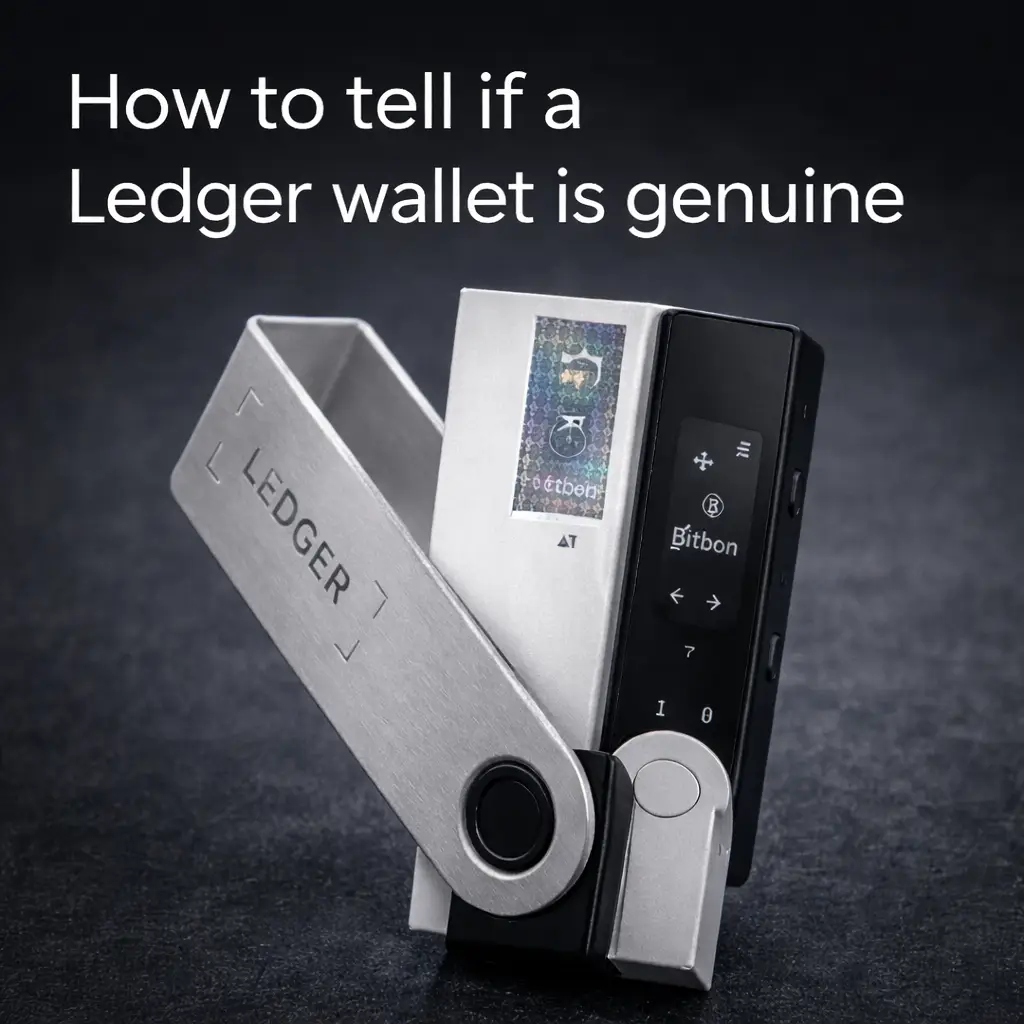
What a Genuine Ledger Usually Looks Like
- Bought from Ledger or a clearly trusted authorized seller
- Clean setup started by you from scratch
- No pre-written recovery phrase in the box
- Device verification completed before normal use
What Should Worry You Immediately
- Unknown or vague third-party seller path
- Device appears pre-configured or already initialized
- Recovery phrase card already filled in
- Unofficial app, download link, or support message involved in setup
Why “Genuine” Means More Than Just “Looks Real”
The question is not whether a Ledger looks genuine. The question is whether you can verify it safely before trusting it with self-custody.
Many buyers assume a sealed box, normal packaging, and a familiar logo are enough. They are not. A fake or risky buying path can still look completely ordinary at first glance, which is why a hardware wallet should never be trusted on appearance alone.
That is why how to tell if a Ledger wallet is genuine should be treated as a setup and verification question, not just a shopping question.
The safer approach is to think in layers: source first, setup state second, verification method third, and recovery phrase rules throughout. If any one of those layers feels wrong, slowing down is smarter than pushing ahead.
If you are still deciding whether Ledger is the right fit at all, read Best Ledger Wallet and Ledger vs Trezor before buying.
How to Tell If a Ledger Wallet Is Genuine in Practice
The real answer comes from the full buying and setup flow, not from one cosmetic detail.
Start with the Source
The cleanest first signal is where the device came from. A direct Ledger order or a clearly authorized seller gives you a much stronger starting point than a vague marketplace listing or resale source.
Check the Setup State
A genuine Ledger should be initialized by you. If the device seems already prepared, already set up, or paired with a pre-filled recovery card, treat that as a serious warning sign instead of a convenience.
Run the Verification Step
The key moment is not “Does it look fine?” but “Did it pass the proper verification flow?” A Ledger should be verified through the official setup process before you trust it for real use.
Ledger Wallet Authenticity Risk by Buying Path
This table makes the trust differences clearer before you even open the box.
| Buying Path | Trust Level | Main Strength | Main Concern |
|---|---|---|---|
| Direct from Ledger | Usually strongest | Clear source and cleaner verification assumptions | May not always be the cheapest option |
| Authorized Seller | Can be strong | More local shipping or retailer convenience | You still need to verify the seller relationship clearly |
| Marketplace Listing | Often weaker | Looks convenient and sometimes cheaper | Higher uncertainty around source and handling |
| Used / Resold Device | Weakest | Lower upfront cost | Creates unnecessary trust doubt from the start |
Warning Signs That a Ledger Wallet May Not Be Safe to Trust
Pre-Written Recovery Phrase
This is one of the clearest red flags. A recovery phrase must be generated during your own setup. If the words are already written for you, do not use that device.
Pre-Configured or “Ready to Use” Setup
A hardware wallet should never arrive already prepared for you. “Convenient” setup shortcuts are the opposite of what a trust-sensitive product should offer.
Unofficial Software or Support Instructions
If a seller, email, or random support channel pushes you to use a special app, unofficial link, or urgent installation path, stop there. Authenticity is not only about the hardware in your hand, but also about the software path around it.
Why Genuine Check Matters More Than Visual Inspection
Looks Can Be Misleading
Packaging, branding, and outer condition can all look normal while still leaving you with unanswered trust questions. A convincing appearance should lower panic, not replace verification.
Verification Beats Guesswork
The safer mindset is simple: do not “feel” that a device is genuine. Verify it through the proper official flow, then judge the rest of the setup from there.
What to Do Before You Trust the Device
The first setup session is where good buying choices become actual security.
- Confirm the seller path still makes sense and matches what you expected
- Inspect the package and device condition without assuming that appearance alone proves safety
- Initialize the wallet yourself instead of trusting any “pre-done” state
- Never use a recovery phrase that appears already written down
- Use only official Ledger software and official setup directions
- Complete the device verification step before normal use
If you want the broader buying-side context, continue to Where to Buy Ledger Nano X Safely. If your concern is what happens after setup, also read Ledger Recovery Phrase Safety and How to Use Ledger Nano X.
What Is Not Enough to Prove a Ledger Wallet Is Genuine
A Good-Looking Box
Nice packaging may reduce suspicion, but it does not answer the important questions about source, setup state, and verification.
A Seller with “Good Reviews”
Ratings can help as a background signal, but they are not the foundation of hardware-wallet trust. The security standard has to be higher than normal shopping logic.
Who Needs This Check the Most Before Setup
This Guide Helps Most
- First-time Ledger buyers
- Anyone buying from a retailer instead of directly from Ledger
- Users worried about fake devices or tampered setup flow
- Buyers moving meaningful funds off exchanges
Who Should Slow Down Before Buying
- People choosing only by price
- Buyers considering used or resale devices
- Users unfamiliar with recovery phrase responsibility
- Anyone relying on random support messages to complete setup
What Matters More Than Just “Did I Buy a Real One?”
- Whether the source is clearly trustworthy
- Whether the device is initialized by you
- Whether the recovery phrase is generated fresh during setup
- Whether the software path is official from start to finish
- Whether you verify the device before normal use
A genuine Ledger bought the wrong way can still create unnecessary doubt and setup mistakes. The better result comes from combining a trusted buying path, a clean first setup, and disciplined backup handling.
How to Tell If a Ledger Wallet Is Genuine FAQ
How to tell if a Ledger wallet is genuine before setup?
The safest answer is to verify the full path: trusted source, clean first setup, no pre-written recovery phrase, official software only, and proper device verification before normal use.
Is packaging enough to prove a Ledger wallet is genuine?
No. Packaging can look normal while still telling you very little about whether the buying path and setup process are safe to trust.
What if my Ledger comes with a recovery phrase already written down?
Do not use it. A recovery phrase should be created during your own setup, not supplied in advance inside the package.
Can I trust a Ledger from Amazon or another retailer?
It can be acceptable when the seller is clearly authorized and you still complete the proper verification step yourself. The key is not retailer branding alone, but whether the source is actually trustworthy and the device is verified before use.
What matters most after I confirm the device is genuine?
Initializing it yourself, protecting the recovery phrase correctly, using only official software, and keeping the setup path clean matter most after that.
Our Final Verdict
How to tell if a Ledger wallet is genuine comes down to one simple principle: do not rely on appearance when you can rely on source, setup, and verification instead.
The safest path is to buy through a trustworthy channel, reject any pre-configured or pre-seeded device, complete the proper verification step, and treat the recovery phrase as your responsibility from the very first minute.