Independent hardware wallet buyer’s guide
Best Hardware Wallets in 2026
Compare the best hardware wallets for beginners, long-term holders, premium buyers, and readers moving assets off exchanges into safer self-custody. This guide focuses on real buying fit, transaction-verification comfort, backup discipline, and long-term usability — not just brand familiarity or headline features.
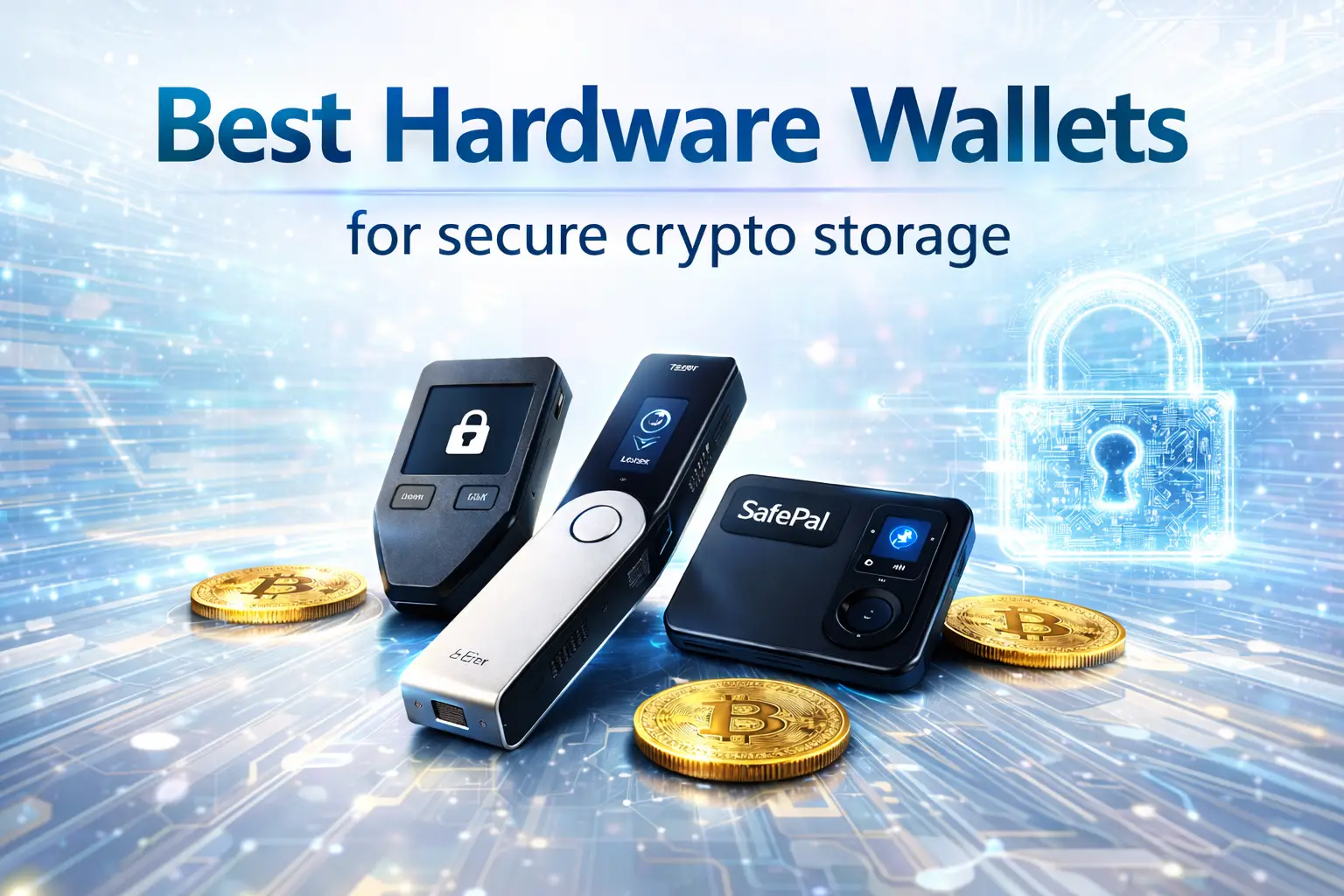
Quick Picks
- Best Overall: Ledger Flex
- Best Premium: Ledger Stax
- Best Value: Ledger Nano S Plus
- Best Alternative: Trezor Safe 5
- Best Budget Entry: SafePal S1
The right wallet depends less on hype and more on how clearly you can verify actions, back up recovery data, and keep using the device correctly over time.
Best Hardware Wallets at a Glance
These are the devices most buyers should compare first before going deeper into model reviews, security guidance, and setup-focused articles.
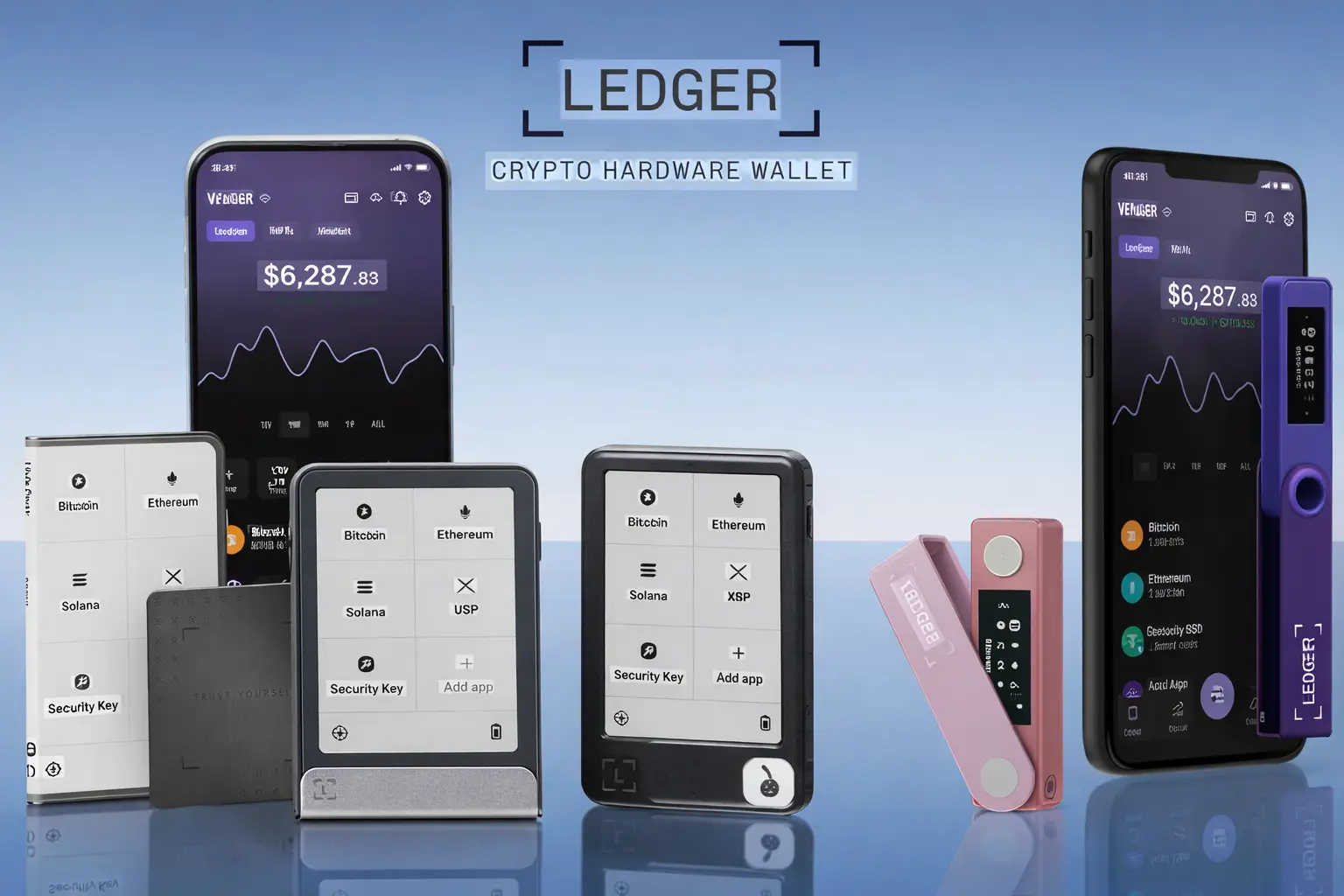
Best Overall
Ledger Flex
A stronger all-around choice for most buyers because it gives a more comfortable and easier-to-review device experience without pushing everyone straight into the most expensive tier. That balance matters when you want security that still feels practical to use.
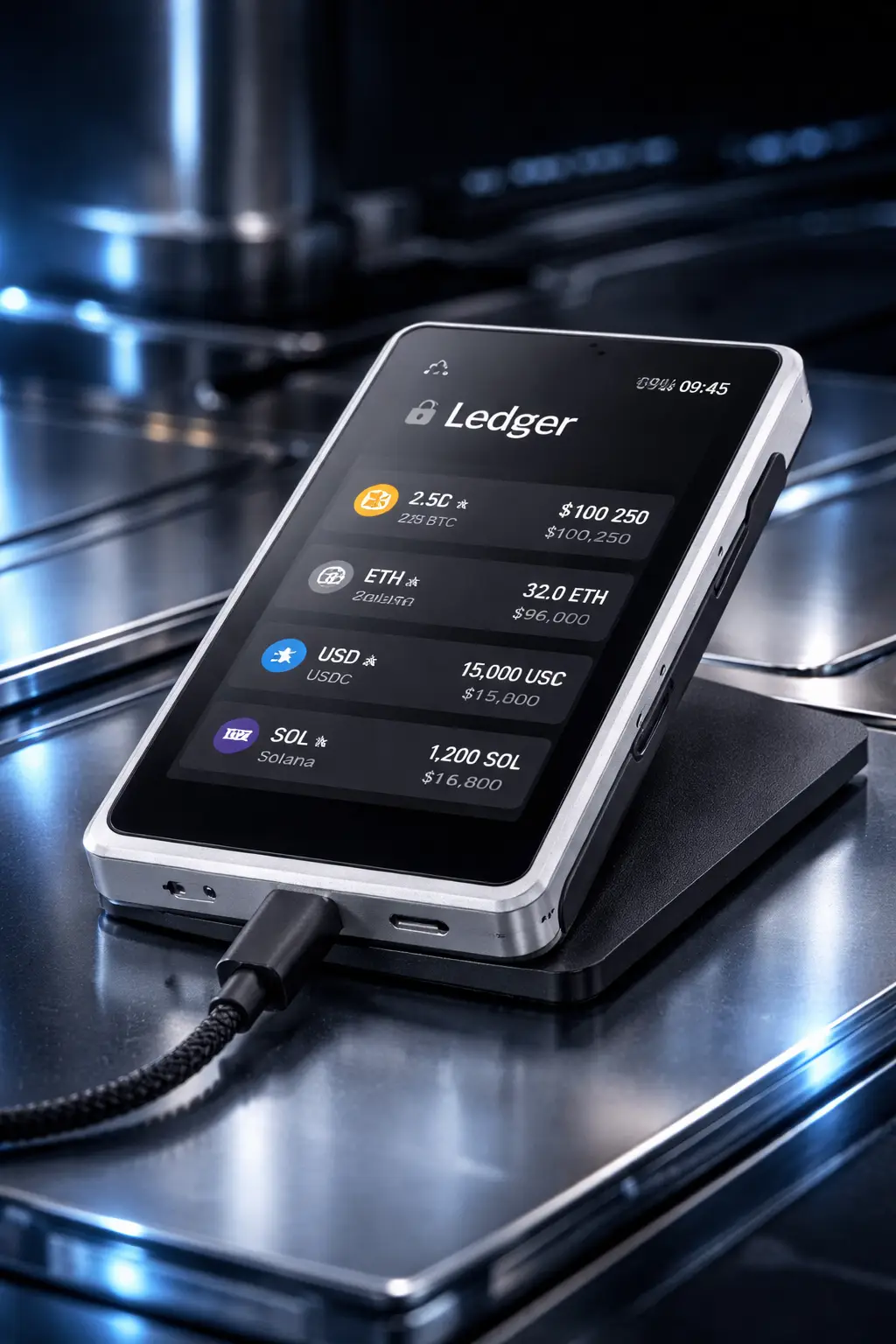
Best Premium
Ledger Stax
A premium wallet for buyers who care about hardware feel, screen quality, and a more refined day-to-day ownership experience. It is easier to justify when comfort and design matter almost as much as cold-storage basics.
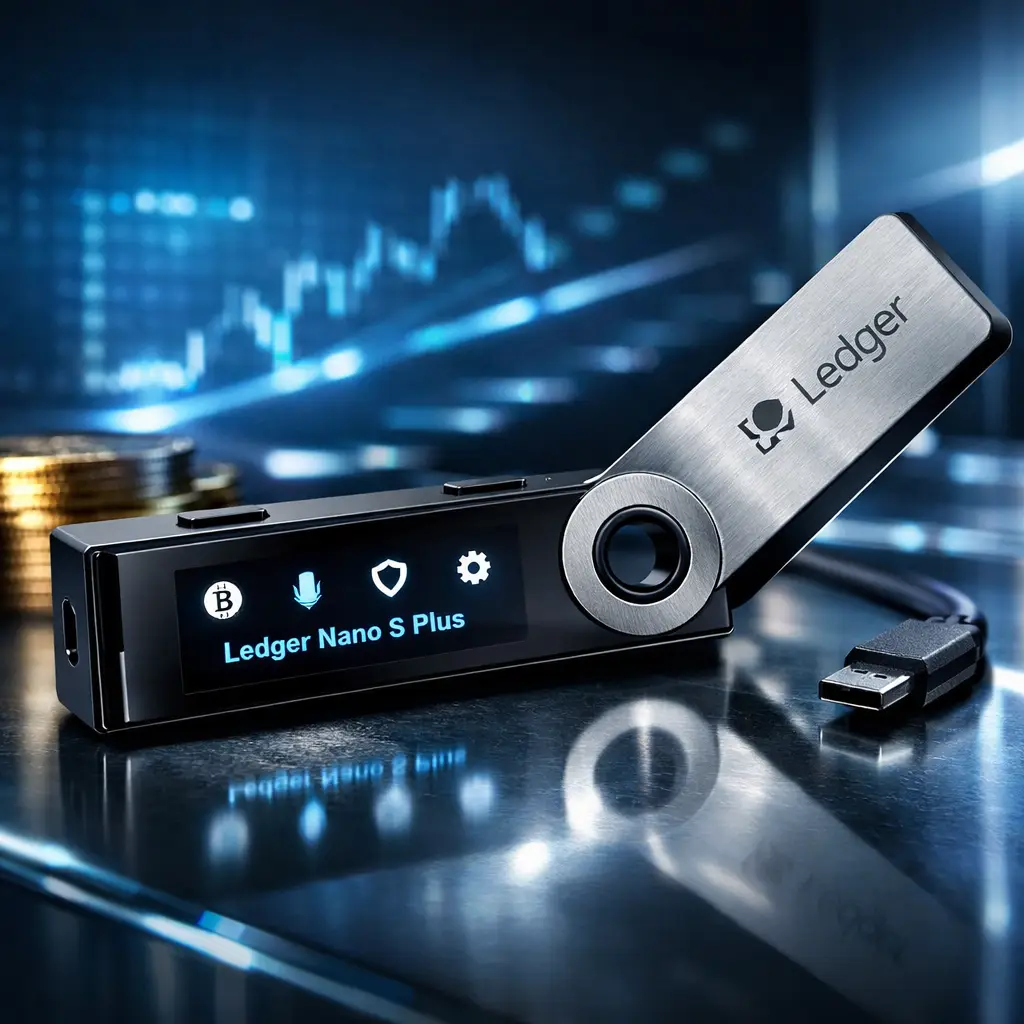
Best Value
Ledger Nano S Plus
A practical lower-cost pick for long-term holders who care more about secure offline storage and straightforward self-custody than premium hardware extras. It is still one of the easiest value recommendations for storage-first buyers.
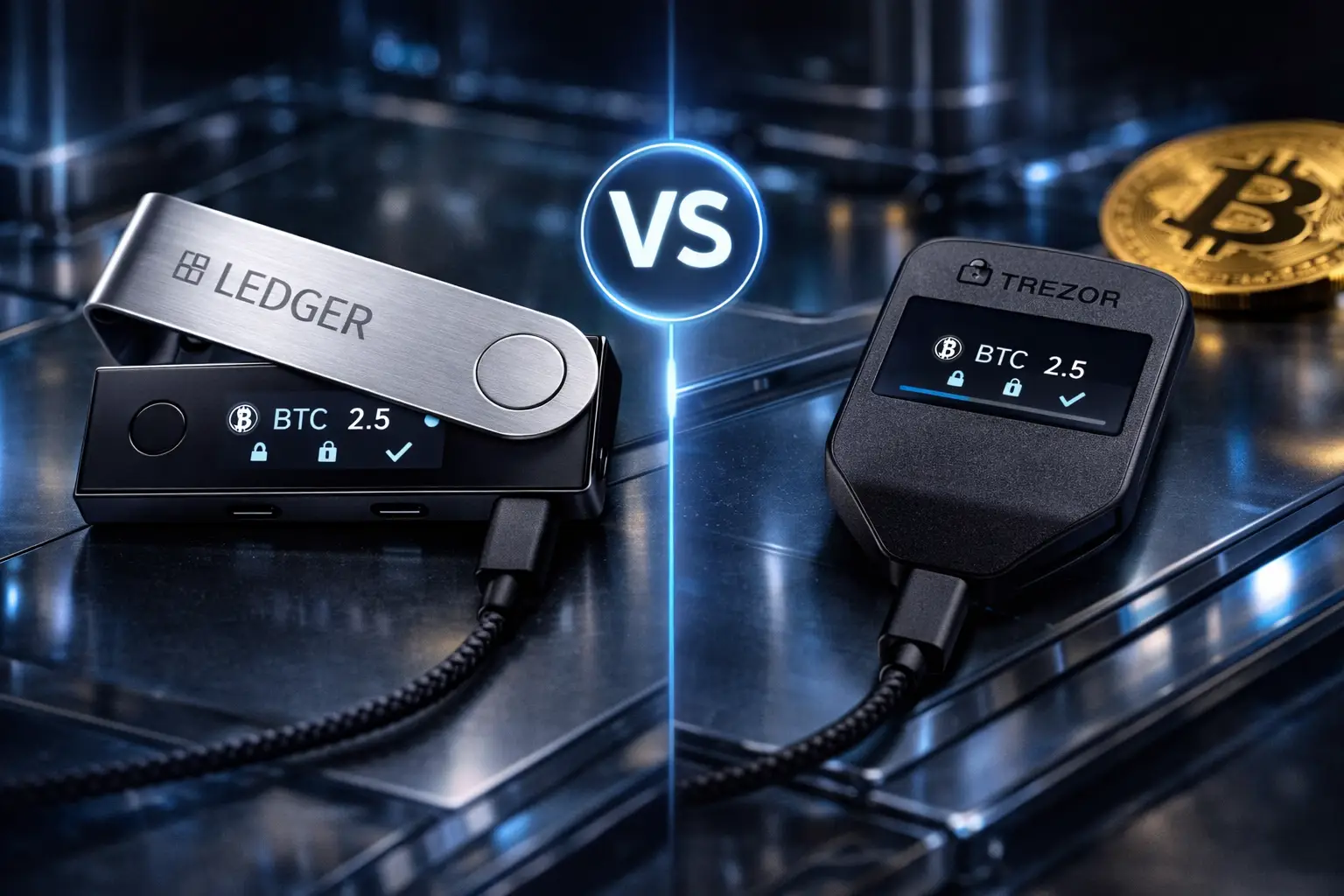
Best Alternative
Trezor Safe 5
A strong alternative for readers comparing security philosophy, open-source preferences, and a different hardware-wallet ecosystem. It belongs on this list because some buyers should compare beyond Ledger before choosing a long-term device.
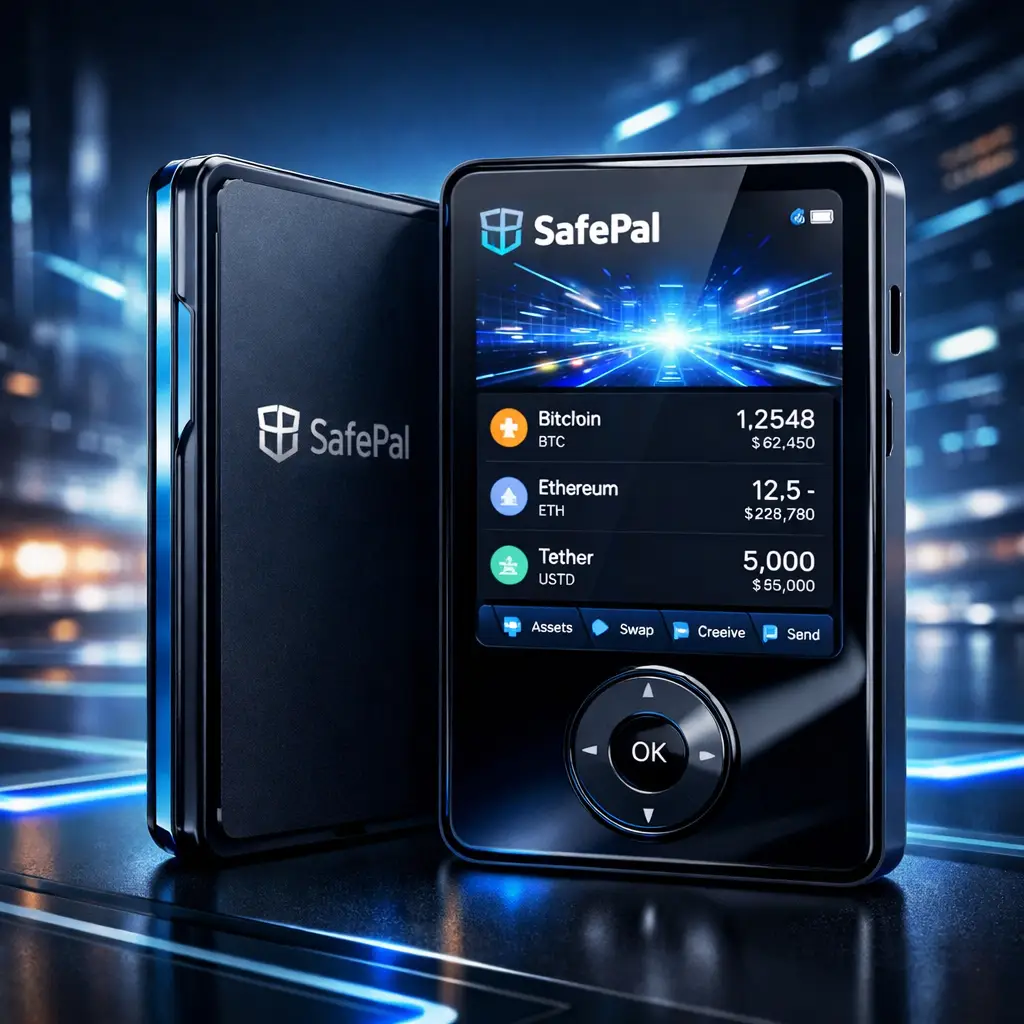
Budget Entry
SafePal S1
A lower-cost entry point for buyers who want offline storage at a more accessible price before stepping into higher-end device tiers. It makes sense for beginners who need a smaller upfront commitment but still want to move off exchange custody.
Why Ledger Flex Ranks First on This Page
“Best overall” should not mean the most talked-about device. It should mean the strongest balance of clarity, comfort, long-term practicality, and confidence for the widest group of buyers.
Why Flex Comes Out on Top
Ledger Flex ranks first here because it closes the gap between strong cold-storage security and a more comfortable device experience. That matters more than many buyers realize. A hardware wallet is only truly useful when people can review actions clearly, finish setup correctly, and keep using the device with confidence instead of hesitation.
- More approachable than older compact-button wallet experiences
- Better fit for people who will verify addresses and approvals regularly
- More practical for most readers than jumping straight to the premium tier
- Stronger default recommendation than legacy-style value picks for broad use
Fastest Way to Choose the Right Wallet
Want the best overall balance?
Choose Ledger Flex.
Want the best value for storage?
Choose Ledger Nano S Plus.
Want a strong non-Ledger alternative?
Choose Trezor Safe 5.
Want the most premium experience?
Choose Ledger Stax.
How to Choose the Best Hardware Wallet
The best hardware wallet is the one that matches how you actually hold, verify, and manage crypto — not just the one with the loudest marketing or the flashiest product page.
Security Basics
Offline key protection matters most, but trusted buying channels, clean first-time setup, and on-device verification habits matter just as much.
Recovery Phrase Handling
Even a strong device can be undermined by poor seed-backup habits. Phrase handling is often the real weak point in self-custody.
Real Workflow Fit
If you approve transactions often, a clearer and more comfortable interface matters more than many comparison pages admit.
Asset Support
Choose a wallet that fits the chains, tokens, and apps you actually use rather than assuming every wallet fits the same portfolio.
Long-Term Value
Think beyond upfront price. Reliability, interface comfort, ecosystem fit, and future usability often matter more over time than saving a little at checkout.
Trade-Offs
Premium devices improve experience, but simpler wallets still win on value for many storage-first buyers. The right choice depends on how often you expect to use the device.
What Matters More Than a Feature List
Most buyers do better by choosing the right fit, keeping setup simple, and handling backups carefully.
What Usually Matters Most
- Whether you can verify approvals clearly on-device
- Whether the wallet fits how you actually plan to use it
What Buyers Often Overvalue
- Premium extras that do not change the real setup process
- Small price gaps that matter less than backup discipline
Hardware Wallet Comparison Table
This comparison is designed for buying decisions, not just feature dumping.
How to read this table: focus on “Best For” and “Who Should Skip It” first. That is where most real purchase decisions become clearer.
| Wallet | Best For | Interface Style | Main Strength | Who Should Skip It | Main Trade-Off |
|---|---|---|---|---|---|
| Ledger Flex | Most buyers | Modern display-led experience | Best overall balance of usability, clarity, and long-term practicality | Buyers who only want the lowest-cost storage option | Costs more than a value-first storage device |
| Ledger Stax | Premium buyers | High-end display-first experience | Most refined premium hardware feel on this list | Readers who mainly want straightforward cold storage | Harder to justify on value alone |
| Ledger Nano S Plus | Value-focused long-term storage | Compact button-based device | Strong value for storage-first self-custody | Users who want a smoother day-to-day interface | Less comfortable for frequent interaction |
| Trezor Safe 5 | Alternative-seeking comparison shoppers | Modern touchscreen wallet | Strong alternative ecosystem and comparison value | Buyers already committed to Ledger’s workflow | May not be the better fit if you prefer Ledger’s app-and-device flow |
| SafePal S1 | Budget-conscious beginners | Lower-cost hardware entry | Accessible price for first-step offline storage | Buyers who want a more polished or premium device experience | Less appealing for premium or heavy-use buyers |
Best Hardware Wallet by User Type
Different buyers need different things from a cold wallet, so the best choice depends on your habits, goals, and tolerance for trade-offs.

For Most Beginners
Ledger Flex is the strongest all-around starting point because it combines a more approachable interface with practical long-term usability and clearer everyday verification.
For Long-Term Holders
Ledger Nano S Plus makes the most sense for storage-first buyers who care more about secure value and simple cold storage than premium device extras.
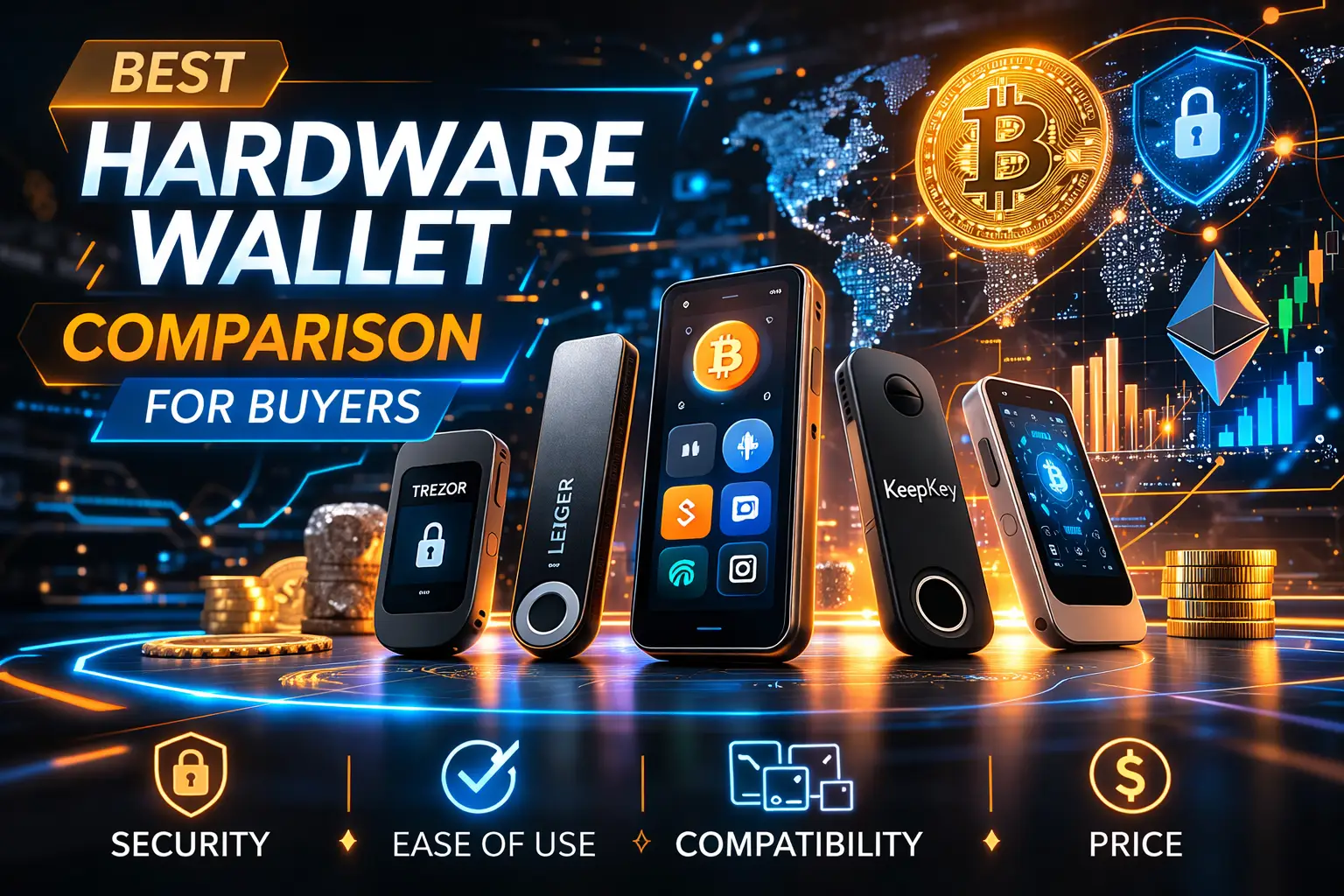
For Comparison Shoppers
Trezor Safe 5 is the most useful direct alternative when you are weighing ecosystem differences, open-source preferences, and long-term brand fit before committing.
For Premium Buyers
Ledger Stax is the right pick when hardware feel, display quality, and a more polished ownership experience matter as much as core security basics.
Why These Wallets Made the List
We did not rank these wallets only by popularity. We ranked them by buying usefulness, fit, and the real trade-offs most readers face.
Ledger Flex
Why it made the list: It gives the widest group of buyers the strongest overall balance of usability, clarity, and long-term practicality.
Who it suits: Buyers who want one strong default recommendation without jumping to the premium tier.
Main trade-off: It is not the cheapest storage-first option.
Ledger Stax
Why it made the list: It offers the most refined premium experience in the lineup for buyers who want more than basic cold storage.
Who it suits: Premium buyers and frequent users who care about hardware feel and display quality.
Main trade-off: Many holders do not need to pay extra for the premium tier.
Ledger Nano S Plus
Why it made the list: It gives long-term holders a strong cold-storage option without forcing them into a higher price tier.
Who it suits: Value-focused buyers who mainly want secure offline storage.
Main trade-off: It is less appealing for readers who expect frequent interaction.
Trezor Safe 5
Why it made the list: It remains one of the most serious non-Ledger alternatives for buyers comparing hardware-wallet ecosystems.
Who it suits: Readers who want a meaningful alternative before committing to Ledger.
Main trade-off: It is not automatically the better choice for users who already prefer Ledger’s broader workflow.
SafePal S1
Why it made the list: It gives budget-focused buyers a more accessible entry point into offline storage.
Who it suits: Beginners who care most about price and basic cold-wallet access.
Main trade-off: It is not the strongest fit for buyers who want a more polished long-term device experience.
Who Should Not Buy These Wallets
This is where many comparison pages stay too soft. Sometimes the fastest way to choose the right wallet is to know which one you should skip.
Skip Ledger Flex if…
You only want the lowest-cost secure storage option and do not care about a more modern or more comfortable on-device experience.
Skip Ledger Stax if…
Your main goal is practical cold storage and you do not want to pay more for premium hardware refinement.
Skip Ledger Nano S Plus if…
You expect to interact with your wallet often and want a more modern, easier-to-review interface over time.
Skip Trezor Safe 5 if…
You are already clearly more comfortable with Ledger’s device flow, software ecosystem, and buying path.
Skip SafePal S1 if…
You want a more polished premium feel, a smoother long-term experience, or a stronger default recommendation for broad everyday use.
Common Mistakes to Avoid
Even a good hardware wallet can be used badly if the fundamentals are ignored.
Buying from Suspicious Listings
A lower price is not worth unnecessary supply-chain risk. Where you buy can matter almost as much as what you buy.
Ignoring Recovery Phrase Risks
Many losses happen because backups are handled poorly, not because the wallet itself failed. A device cannot fix weak backup habits.
Choosing Only by Hype
The most talked-about wallet is not always the right one for your real holdings, workflow, or budget.
Skipping Buyer Research
Setup friction, fake apps, phishing attempts, and poor buying choices usually hurt users more than product marketing pages ever admit.
How We Ranked These Wallets
This page does not rank wallets only by price or popularity. It ranks them by real buying usefulness: setup comfort, verification clarity, storage value, comparison relevance, and how clearly each wallet fits a specific type of buyer.
What We Weighted Most
- How easy the wallet is to set up correctly
- How clearly buyers can verify actions on-device
- Whether the device is overkill or good value for its role
- How well the wallet fits a real user type
Frequently Asked Questions
These are the questions many buyers ask before moving from exchange custody to a dedicated hardware wallet.
What is the best hardware wallet for most beginners?
For most readers, Ledger Flex is the easiest all-around starting point on this page because it offers a stronger balance of usability, readable on-device review, and long-term practicality than older compact value models.
Is a premium wallet worth it?
A premium device can be worth it if you care about comfort, hardware feel, and a more polished long-term experience. If your priority is simple cold storage, a value-first device such as Ledger Nano S Plus often makes more sense.
Should I buy Ledger or Trezor?
That depends on which ecosystem, workflow, and security philosophy you prefer. Buyers already leaning toward Ledger may prefer its broader device path, while comparison shoppers often find Trezor Safe 5 the strongest alternative to weigh seriously.
Do I need a hardware wallet for a small portfolio?
A hardware wallet becomes more compelling as your holdings, holding time, and self-custody seriousness increase. Even smaller portfolios can justify one if you want stronger separation from exchange risk and better long-term control.
What matters more than price?
For many buyers, clarity during setup, comfort during transaction approval, and safe recovery-phrase handling matter more than saving a small amount at checkout.
What is the most common buying mistake?
The most common mistake is treating the device as the whole security plan. In reality, weak buying sources, sloppy setup, and poor recovery-phrase storage create more problems than many device comparisons admit.
A Practical Next Step
For most buyers, Ledger Flex is the simplest place to start. If you want the Ledger-only comparison next, use the page below.
For transparency, this page follows our hands-on testing approach and editorial standards.